July was a month full of versatility, settling in, chaos, learning and helping.
If your area is anything like ours, you have probably had tons of rain and heat in the forecast. While we are so used to praying for rain and being thankful when it falls, too much sometimes brings its own challenges (picky, I know). Finding windows that are big enough for us to fill our shed with dry hay has been difficult. However, bale wrapping has been invaluable in enabling us to preserve the feed quality by harvesting forage at higher moisture levels. Thanks to bale wrapping, we have been fortunate to preserve our feed, even when Mother Nature has other ideas. Maintaining high-quality feed throughout the year — and especially during these hotter, humid months — is essential for animal health, productivity and overall farm profitability.
On the animal side of things, the summer heat and humidity have created their own challenges. The humidity has negatively affected the cows, and they cannot get away from it like they can the heat. Due to this stress, feeding has been a challenge, productivity has lowered and health problems have reared their ugly heads at a higher rate than normal.
Unfortunately, in the agricultural industry, you can only control so much, so it is important to do just that. For example, we have been managing our feed storages by keeping feed faces fresh and servicing fans and sprinklers to get through the heat and humidity as comfortably as possible.
July has also proved that the dairy industry is full of many opportunities to encourage, promote and pave the way for others. Nothing provides a greater opportunity to show off the industry like fairs, especially local ones. It is a vital time to connect people — many for the first time — to agriculture and educate them about where their food comes from. Fairs offer a unique opportunity to highlight the sustainability, care and technique behind dairy production. With fewer people being connected to farms, it is important to offer a positive, educational front to clear up any misconceptions and to deepen their appreciation for the dairy industry.
This year, I and many others on our local dairy board had the privilege of serving ice cream at our local fair. County fairs provide a key marketing platform for the dairy industry. This interaction, along with the animals at the fair, helps create positive impressions, reinforce the nutritional benefits of dairy and counteract misinformation. For small-scale farmers and processors, the fair can be an excellent spot to build customer relationships. At our local county fair, it is not unusual to see long lines or enthusiastic support for the soft-serve ice cream stand. This year was no different. When most people order their sweet treat, they don’t consider the effort and time that goes into making the product, so it is important that we help fill the gap.
Additionally, it is rewarding watching 4-H and FFA members represent their animals, learn where their food comes from and speak to local farmers about their respective industries. For many of them, it is the only connection they have to the industry, and giving them exposure and experience is impactful. A majority of dairy animals at our local county fair are borrowed heifers. We have at least three dairy farms in our county that loan out calves to kids to show at the county fair. If it weren’t for people loaning their calves and parents reaching out, we probably wouldn’t have a county fair dairy show. It is rewarding to see kids, parents and heifers grow and learn throughout their time together. It is a hands-on experience that requires all to pour so much work, dedication and care into these animals.
Perhaps most importantly, county fairs celebrate the human side of the dairy industry. Behind every ribbon-winning cow is a young exhibitor who woke up early and went to the barn late every day to care for her. Behind every ice cream cone is a family working long hours to keep their small business alive. The fair honors their dedication, resilience and contributions to local economies. It also brings the community together to recognize the importance of agriculture and the people who sustain it.
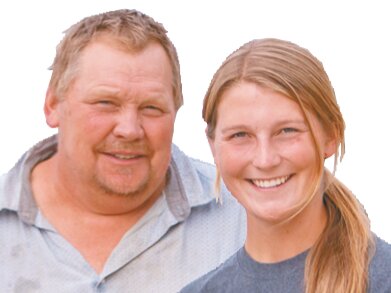
Abby Fairbanks is the third-generation on her family’s farm. She works full-time with her parents, Doug and Jody, where they milk 400 cows near Anamosa, Iowa.
 |
 |
 |
 |
Share with others


Comments
No comments on this item Please log in to comment by clicking here