
With New World screwworm and highly pathogenic avian influenza showing up in the news, it is hard not to think about biosecurity on dairy farms. Throw in African Swine Fever in Spain and Foot and Mouth Disease in Hungary and Slovakia, and I start to sweat thinking about biosecurity protocols in the dairy operation.
The swine and poultry industries utilize highly intensive biosecurity protocols such as shower-in-shower-out entry and exit, dedicated farm clothing, ultraviolet disinfection chambers for equipment and downtime between farms. How can we ever implement such practices in dairy operations? Perhaps that is the wrong question to ask. Perhaps the better question is, what risk does your dairy operation face, and what are reasonable measures to implement?
Let’s remember that a biosecurity program is designed to reduce the risk of infection, not to eliminate all risk. A biosecurity program is built of several parts. A good example of this is bovine viral and diarrhea virus management on farm. Testing calves at birth or within the first week of life for persistently infected calves will not eliminate all occurrences of BVDV in a herd but can help remove PIs and reduce the risk of further infection in the herd.
Screening for BVDV in newborn calves is particularly important in herds where re-placement heifers go to heifer raising sites, especially for breeding and gestation. Why? Heifer-raising sites often have animals from multiple farms. Some even have feedlot animals on the premises near the heifers. While you cannot control what other operations do, you can control your protocols to reduce risk.
I would also recommend that heifer growing operations implement BVDV testing for animals on arrival to their operations to protect from BVDV outbreaks. Testing combined with appropriate vaccination programs can be a robust biosecurity program to reduce the risk of BVDV in a dairy.
Where should we start? First, determine the risk that your dairy operation faces. Is the operation a closed herd? Even closed herds can face disease risk, simply due to a population of animals being kept together, often in a confined area, or a dip in herd immunity. Animals outside of the herd, such as coyotes or birds, can also pose a biosecurity risk. What about other risk factors? Do animals go to county fairs or shows or facilities for embryo flushing and transfer? Open herds face risk due to purchasing cattle, moving cattle between multiple sites or utilizing heifer growing operations.
Next, let’s consider biosecurity on a more day-to-day approach. Trace the pathways of humans and cows within the cow barns. Who overlaps with maternity and newborn calves? Do people move from the sick pen to maternity or handle calves without washing boots and changing gloves? Do sick cows share pens with maternity and potentially newborn calves? Does feed get contaminated with manure? Consider equipment shared as well.
I remember one heifer-raising operation experiencing high infection rates of Salmonella Dublin in young calves. As we worked through the outbreak, we discovered that skid loaders used to clean pens of older heifers were being used to move feed and bedding for younger animals without being washed or disinfected.
A veterinary colleague recently spoke about biosecurity at a prominent dairy meeting. This veterinarian worked with a farm team to draw a map of the movements within the farm. The resulting map was a complicated map of overlapping lines. While doing this exercise, they discovered that maternity was often entered by people working with sick cows and areas of the farm considered much “dirtier.” Furthermore, they discovered the farm had inadvertently been keeping all deceased animals next to new straw used to bed maternity and newborn calves. In addition, the rendering truck further exposed this bedding when it re-moved deceased animals.
Once you have determined biosecurity risks to address, consider the next steps of development and implementation. Use farm advisors to help determine specific actions. Biosecurity protocols should reduce risk to a minimum while being cost-effective and not overly labor-intensive. Finally, remember to get buy-in from your farm team by training the steps and the “why” behind the steps.
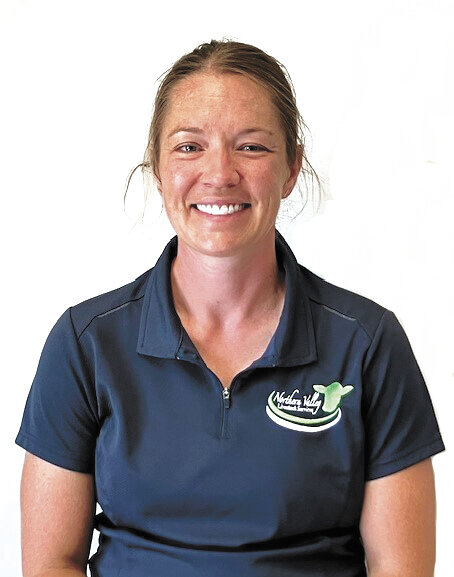
Megan Weisenbeck is one of five veterinarians at Northern Valley Livestock Services in Plainview, Minnesota. She practices primarily dairy production medicine in Minnesota and Wisconsin. Megan can be reached at meganweisenbeck.dvm@gmail.com.
 |
 |
 |
 |
Share with others


Comments
No comments on this item Please log in to comment by clicking here