





BANGOR, Wis. — Spring is the time of year when life starts to get a little busier on the farm. The weather starts to warm and planting season is right around the corner, if not already here. For the family that operates Jones Family Dairy Farm in Bangor, spring also signals the start of another activity: softball season.
John Jones milks 110 cows with two Lely Astronaut A4 robotic milking units. The Jones dairy added the robots in 2017 as a way to continue dairy production, in addition to their cropping. Jones, along with his father, Ralph, farm 1,300 acres, raising corn, beans and alfalfa.
Monday, April 28 had the Bangor High School softball team slated to take on Hillsboro in a Scenic Bluffs Conference matchup at 5 p.m. Prior to the robots, attendance at a game with that start time would be nearly impossible. Now, with technology and part-time help, Jones can organize his schedule to be sure he is in attendance more often than not.
“My girls have always known that the farm has to come first,” Jones said. “I go to as many games as I can, but when we need to get seed in the ground, I have to take care of that, and they understand. But when it’s a home game, I do everything I can to make sure I’m there.”
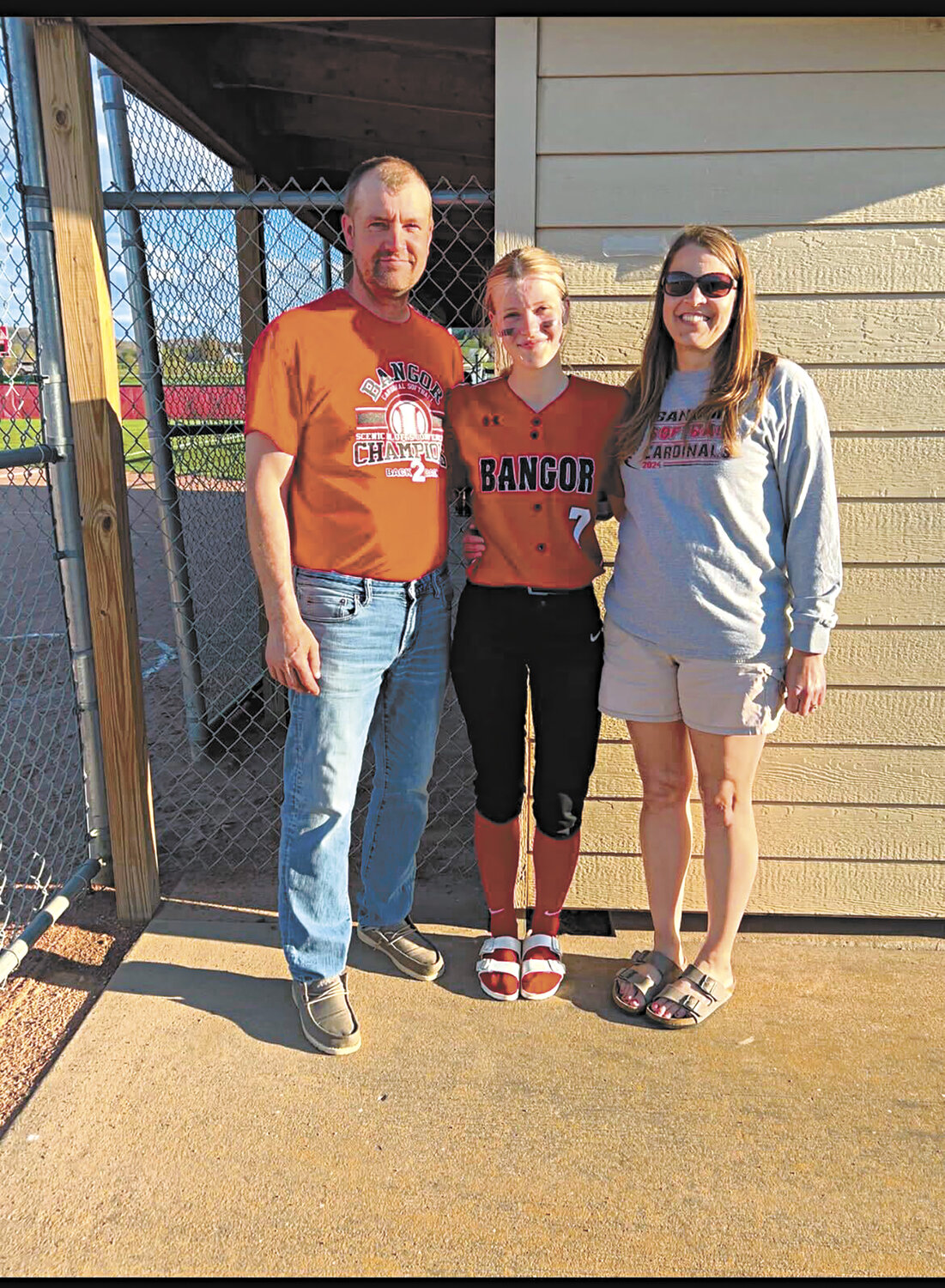
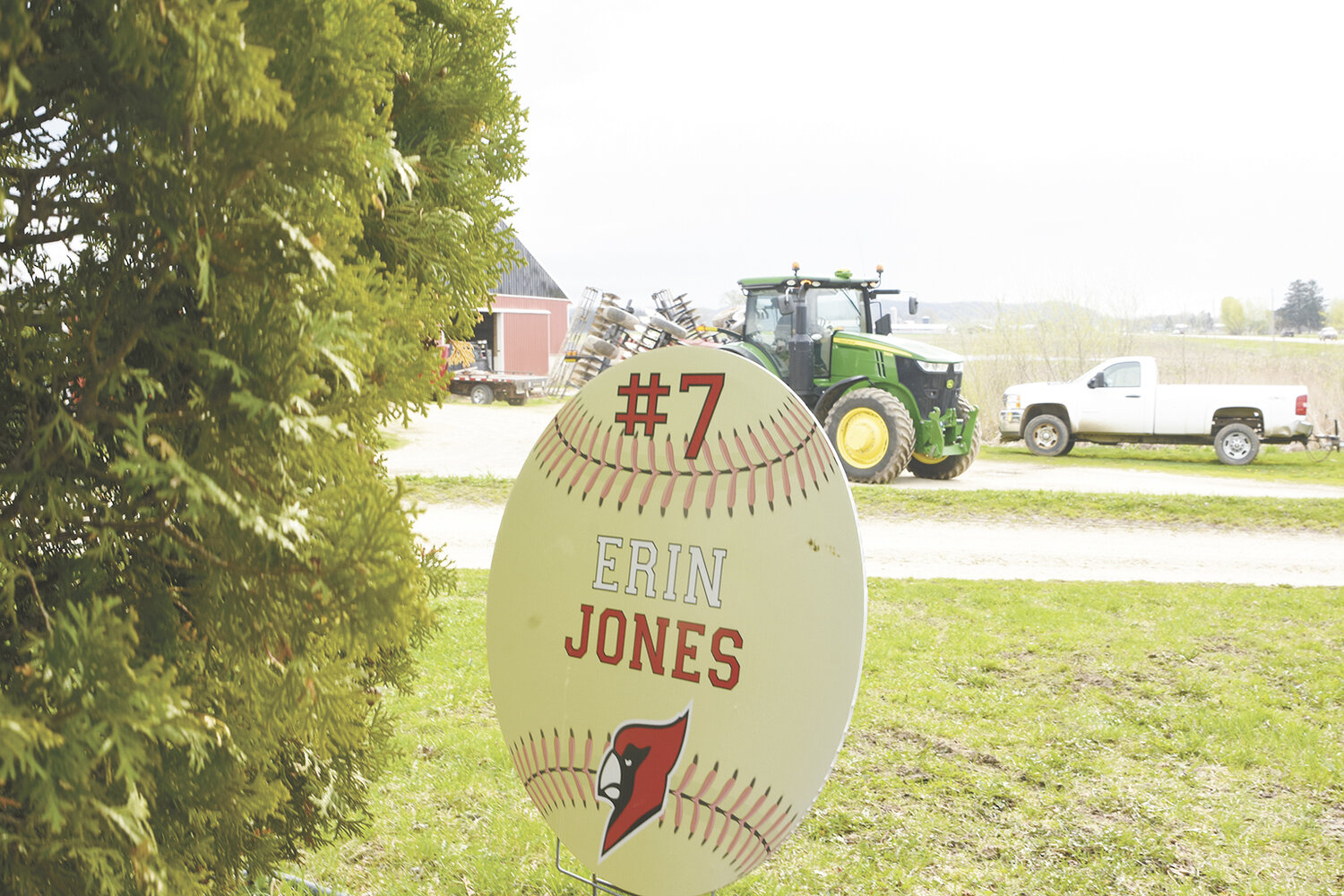
John’s youngest daughter, Erin, is currently a junior on the Bangor softball team, playing outfield and first base. She, along with her sister, Haley, help out on the farm as needed. When his daughters were younger and playing basketball, John was on the sidelines with a whistle.
“When we put the robots in, I decided to coach them in basketball that winter,” John said. “It was one of the best decisions I’ve made. I got to work with my girls, I got to know their friends better and it made me commit to being there for them. Those tournaments that were an hour and a half away were easy to say I couldn’t go when we were milking in the old barn, but now I was responsible for the entire team.”
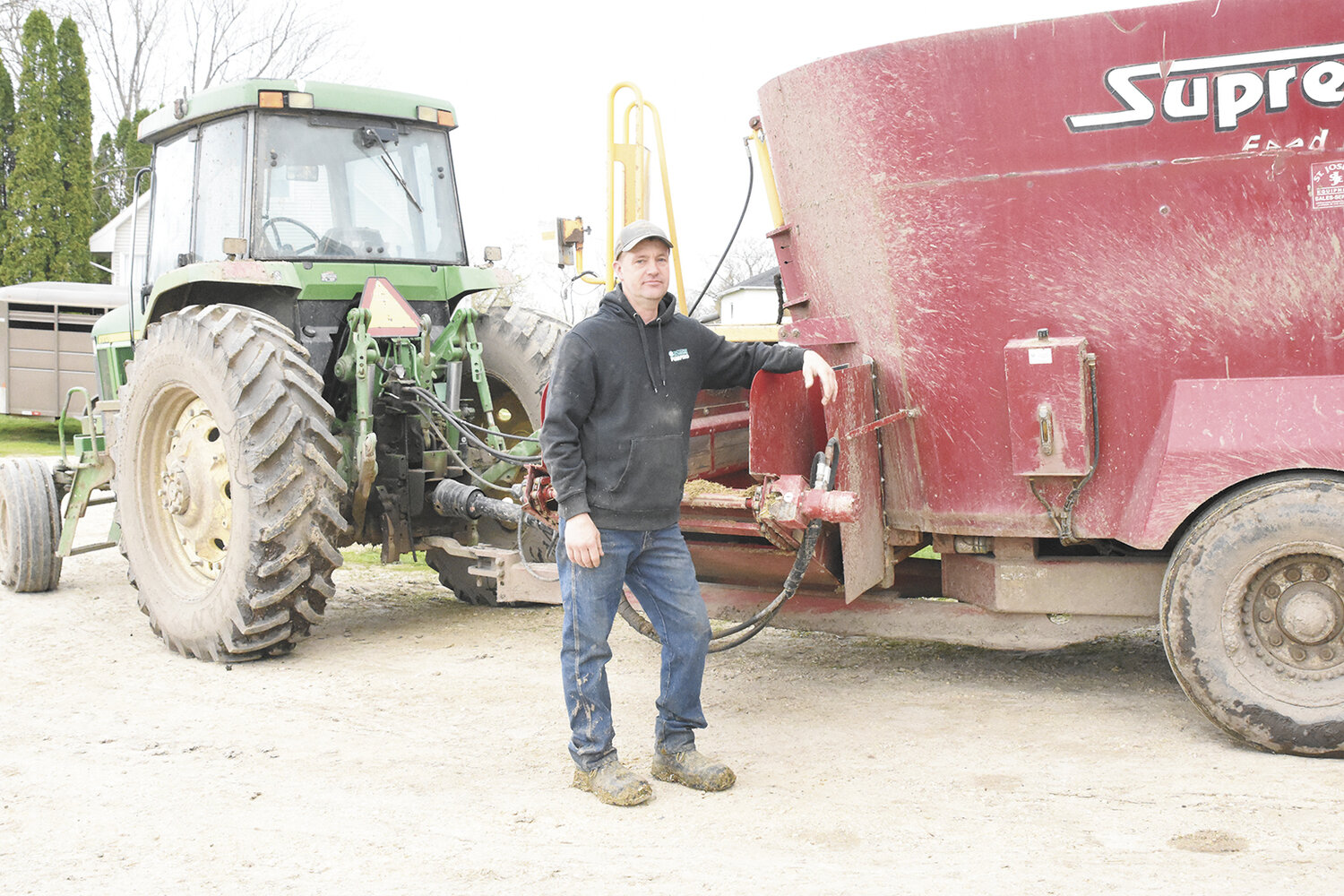
On the 28th, Jones started his day by mixing two batches of feed: one for the freestall barn housing his 110 milking cows and another for his heifers. Jones utilizes two Harvestore silos to store haylage and bags corn silage. While his silo loaded the haylage into the total mixed ration mixer, Jones fed the youngstock dry hay from big square bales and shell corn.
“The silos still work out really well for us,” Jones said. “I can work on a lot of other things that need to get done as that fills so I can be more efficient.”
After taking a cow to the Equity Cooperative Livestock Sales Association in Sparta, Jones headed to his John Deere 7210R with a turbo tiller and drove down to a 12-acre field 6 miles from the farm.
“We do a lot of no-till for our crops, but this field, we’re planning on putting corn back in on what was a corn field last year,” Jones said. “The soil quality in this field is among our best, so we feel good about back-to-back corn years. We want to break up what’s on the surface here to just help with the planting when it’s time.”
With those 12 acres now ready for planting, a trip to the facility that houses his steers was in order. Down the road in West Salem, Jones houses his steers in a former tiestall milking barn. Using dry hay from big square bales and shell corn from a silo, Jones makes sure that his steers are well-fed.
With planting season on the horizon, Jones made a trip to the store for parts for his sprayer before adding a stop in town for lunch.
“There’s one piece we need for the sprayer, but we also keep some extra parts on hand,” Jones said. “It always seems that whenever something breaks down, it’s hard to get the part, so we want to try to be as proactive as possible.”
Threats of severe weather that evening meant that the first pitch for that night’s softball contest was bumped to 4 p.m., and with that change in time, so came a change in Jones’ timeline on the farm.
“We normally try to start evening chores around 3:15 when there is a game,” Jones said. “But with the change, we’ll get started a little earlier so we can be out of here on time.”
That flexibility is something afforded to him with the technology installed seven years ago.
Prior to beginning the evening feedings, Jones and his hired help, Chase Reding, a student at West Salem High School, fixed a fence post in their dry cow pen. A railroad tie replaced a telephone pole, and some well-placed staples secured the fencing once again. Jones’ father, Ralph, spread fertilizer in a 50-acre field as the family prepares for planting this spring.
Reding headed to the freestall barn to fetch the cows that had yet to be milked as Jones started mixing dinner for the milking herd and feeding the youngstock.
Collin England, a student at Bangor High School, joins the fold as more hired help for evening chores. At Jones Dairy Farm that day, England fed 36 calves with a pasteurizer on the back of a John Deere Gator utility vehicle.
“It’s important to give these kids a chance to get their feet wet in agriculture,” Jones said. “Obviously their help is really important for me on the farm. But for those kids who want to see if a career in agriculture is right for them, there’s no better way than spending time on the farm.”
As evening chores were finishing up, Jones got word that his daughter’s game had been canceled as inclement weather was forecast for that night. With work done early, Jones and his family got extra time together that night .
“That’s life sometimes,” Jones said. “You can make your plan for the week, but that’s going to change on a day-to-day basis. Thankfully, Erin will have more games this week, and when she does, we’ll be sure to adjust our schedule accordingly to make sure I can see her take the field.”
 |
 |
 |
 |
Share with others


Comments
No comments on this item Please log in to comment by clicking here